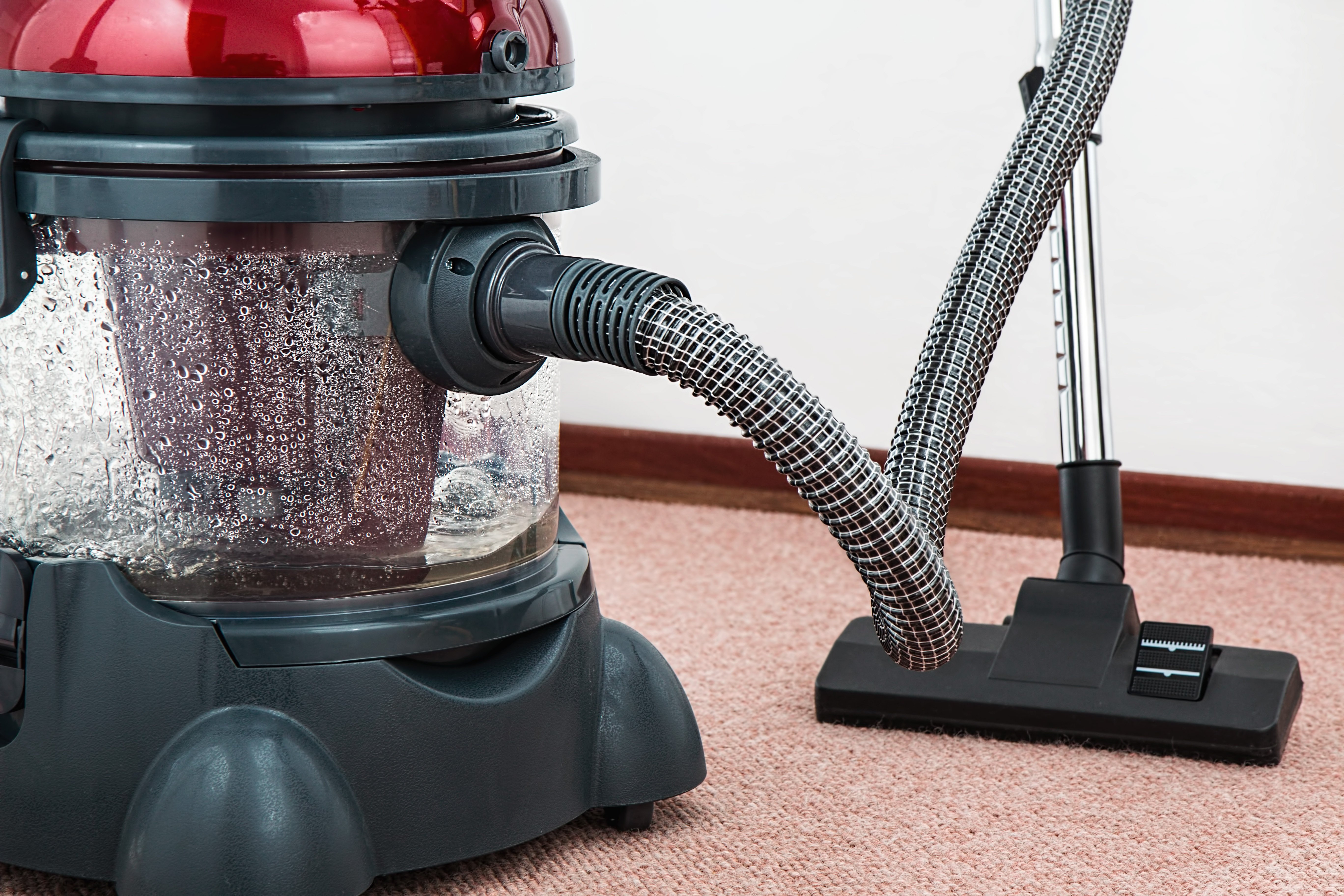
Most Houston homeowners vacuum their rugs regularly and assume that's enough. But vacuuming only removes surface debris — it barely scratches the surface of what accumulates deep inside a rug's pile, backing, and padding over months and years of use.
Rugs are, by design, incredibly efficient traps. They catch everything that falls, drifts, or walks through your home — and they hold onto it. Without professional cleaning, that buildup compounds quietly, creating an environment that can trigger allergies, irritate respiratory conditions, and harbor bacteria you'd never want near your family or pets.
What's Actually Living in Your Rug
The fibers of a rug create a warm, cushioned environment that is ideal for microscopic organisms to thrive. Understanding what's in there is the first step to understanding why regular professional cleaning matters so much.
Pet Dander
If you have a dog or cat, pet dander — tiny flecks of skin shed by your animal — settles into your rug constantly. Unlike fur, which you can see and vacuum up, dander particles are microscopic. They work their way deep into the rug's pile where a vacuum cannot reach, accumulating over time. For the estimated 30% of people with pet allergies, this invisible buildup can cause persistent sneezing, itchy eyes, and breathing difficulty — even when the pet is in another room.
Dust Mites
Dust mites are the most common indoor allergen trigger in the world, and rugs are their preferred habitat. These microscopic arachnids feed on dead skin cells — which humans and pets shed thousands of every hour — and thrive in the warm, humid conditions inside a rug's pile. It's not the mites themselves that cause allergic reactions, but their waste particles, which become airborne when you walk across the rug and are then inhaled. In Houston's humidity, dust mite populations can reach extraordinary levels.
Bacteria and Mold Spores
Every time someone walks into your home, they bring bacteria in on their shoes. Studies have found that the bottom of a shoe carries an average of 421,000 bacteria — and a significant portion transfers directly onto your rug with each step. Add Houston's ambient humidity to the equation, and that damp, bacteria-rich rug environment becomes a breeding ground for mold spores as well, particularly in rooms with less airflow.
"The rugs that concern us most aren't the ones with visible stains — they're the ones that look perfectly fine but haven't been professionally cleaned in two or three years."

Warning Signs Your Rug Needs Immediate Cleaning
Some of the signs are obvious. Others are easy to overlook — especially when you've grown used to your home's environment. Watch for these red flags:
- Household members experiencing unexplained sneezing, watery eyes, or congestion indoors
- A stale or musty smell even after vacuuming or airing the room
- Pets scratching more than usual or showing signs of skin irritation
- Visible matting or discoloration in high-traffic areas of the rug
- Children or adults who crawl or sit on the floor getting skin irritation
- No professional cleaning in over 12 months — regardless of how the rug looks
How Each Room Changes the Risk Level
Not every rug in your home accumulates contaminants at the same rate. The room it lives in matters significantly — here's how the risk breaks down:
| Room | Primary Contaminant | Risk Level | Why It's Higher |
|---|---|---|---|
| Entryway / Foyer | Outdoor bacteria, dirt, pollens | Very High | First contact point for everything tracked in from outside |
| Living Room | Pet dander, dust mites, skin cells | High | High foot traffic, pets, and prolonged sitting/lounging |
| Bedroom | Dust mites, dead skin cells | High | 8+ hours of skin shedding per night in a closed, warm room |
| Dining Room | Food particles, bacteria | Moderate | Food debris feeds bacteria and attracts insects |
| Home Office | Dust, dander | Moderate | Lower foot traffic, but poor ventilation accelerates buildup |
Why Vacuuming Alone Is Never Enough
Vacuuming is essential maintenance — but it has a fundamental limitation. Most household vacuums, even powerful ones, can only extract debris from the top third of a rug's pile. The fine particles that cause the most health concerns — dander, mite waste, mold spores, bacteria — are embedded in the lower pile and backing, well out of reach.
Professional rug cleaning uses full submersion washing and controlled extraction methods that flush contaminants from every layer of the rug — not just the surface. At Rug Tower, each rug is inspected, pre-treated, washed, and dried in a controlled environment that prevents moisture from being re-introduced into the fibers. The difference in what comes out of a rug that looks clean is remarkable every time.
For households with pets, young children, or anyone with allergies or asthma, we recommend professional cleaning every 6 to 12 months. For a rug in a low-traffic guest room with no pets, once a year is a reasonable minimum. The goal isn't just a clean-looking rug — it's a rug that's genuinely safe to live on.