Your Vision,
Woven into Reality
From a napkin sketch to a palace floor. We collaborate with designers and homeowners to create one-of-a-kind textiles using any material, any color, and any size.
The Creative Process
We believe the journey of creation should be as beautiful as the result. Whether you have a fully rendered CAD file or just a vague emotion you want to capture, our team meets you where you are.
Design & Concept
It starts with an idea. Send us a digital file, a photo of a room, a fabric swatch, or even a hand-drawn sketch. Our artists will interpret your vision into a professional rug graph (Naksha).
Material Selection
We curate the palette. Choose from thousands of poms (wool colors) and decide on the texture. Mix matte wool with high-sheen silk, or opt for durable hemp for high-traffic areas.
Weaving & Delivery
Once approved, the loom is set. Our master weavers hand-knot your piece. You receive updates throughout the process until the final delivery and white-glove installation.
The Art of Rug Making
Every handcrafted rug tells a story of patience, skill, and tradition. From raw wool to finished masterpiece, discover the ancient craft that transforms simple fibers into heirloom-quality textiles.
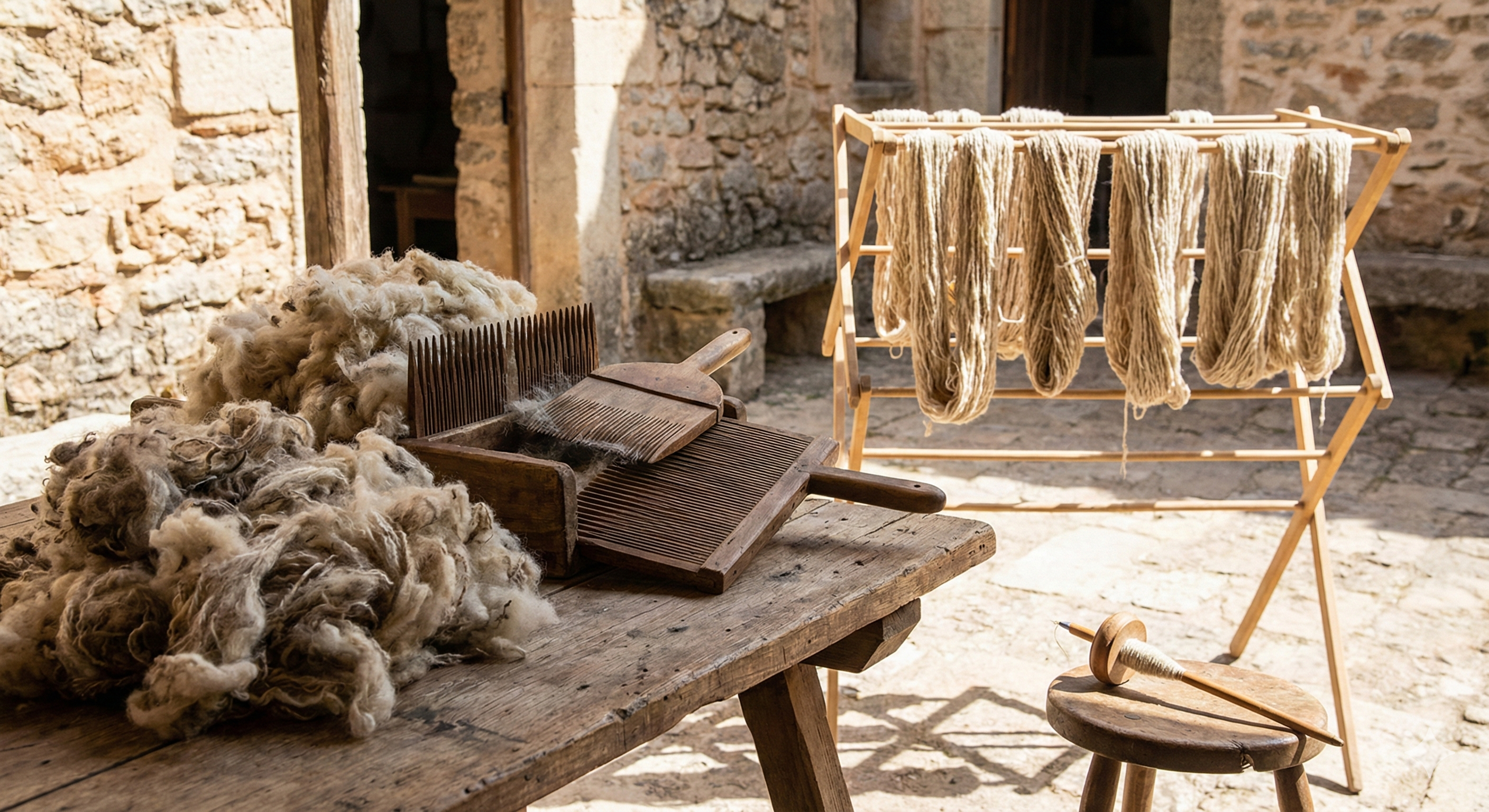
Preparing the Material
Everything begins with the raw material—usually sheep's wool, though sometimes silk or cotton. The wool is carefully sheared from the sheep, then cleaned and untangled through a process called carding. Finally, it's twisted by hand or machine into long strands of yarn, ready for the next stage.
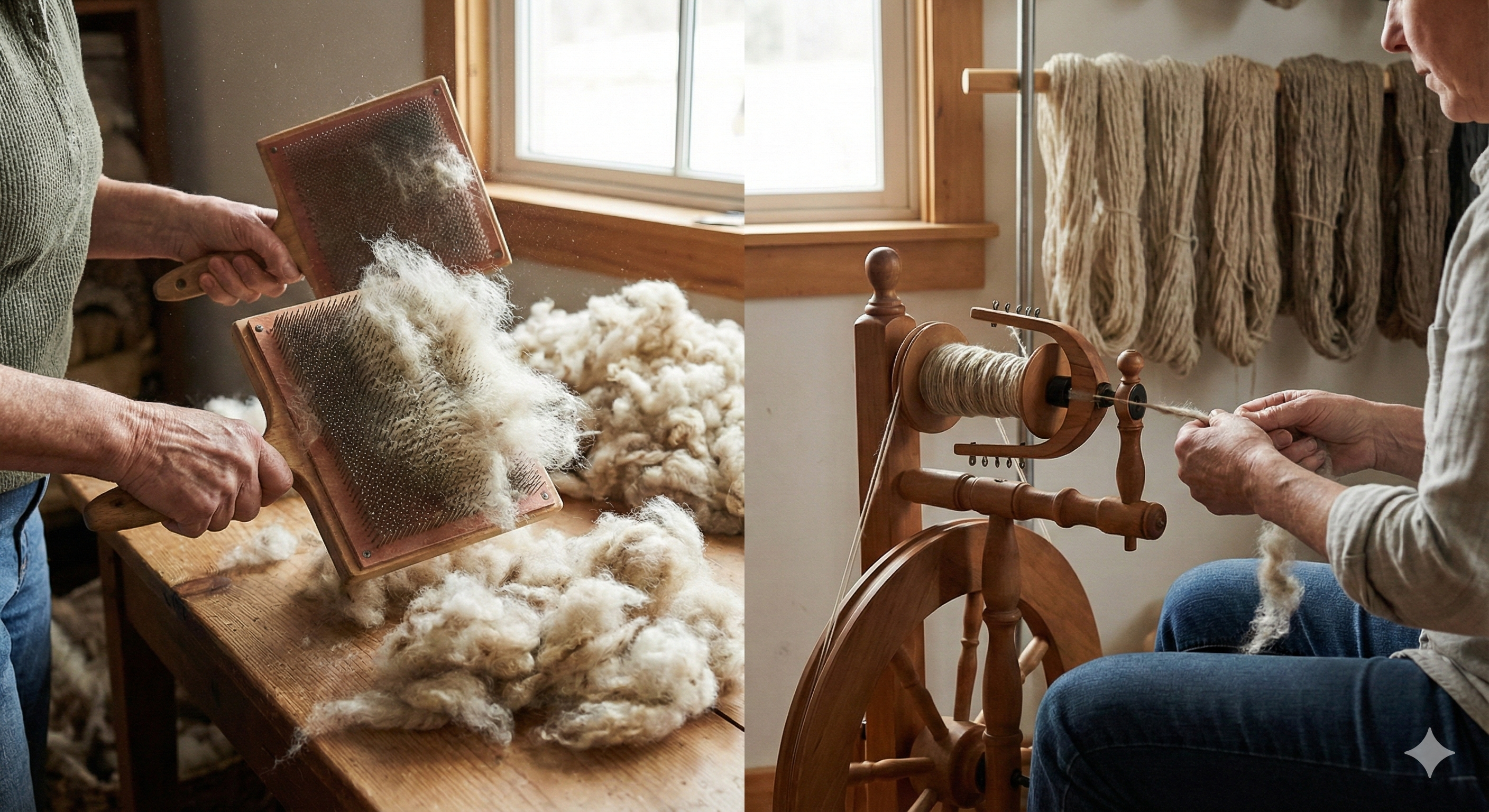
Dyeing the Colors
Before weaving begins, the yarn must be colored. The spun yarn is boiled in large vats with traditional vegetable dyes—roots, berries, nuts, and even insects create natural, warm tones. The dyed yarn is then hung in the sun to dry and set the color, ensuring vibrant hues that last generations.
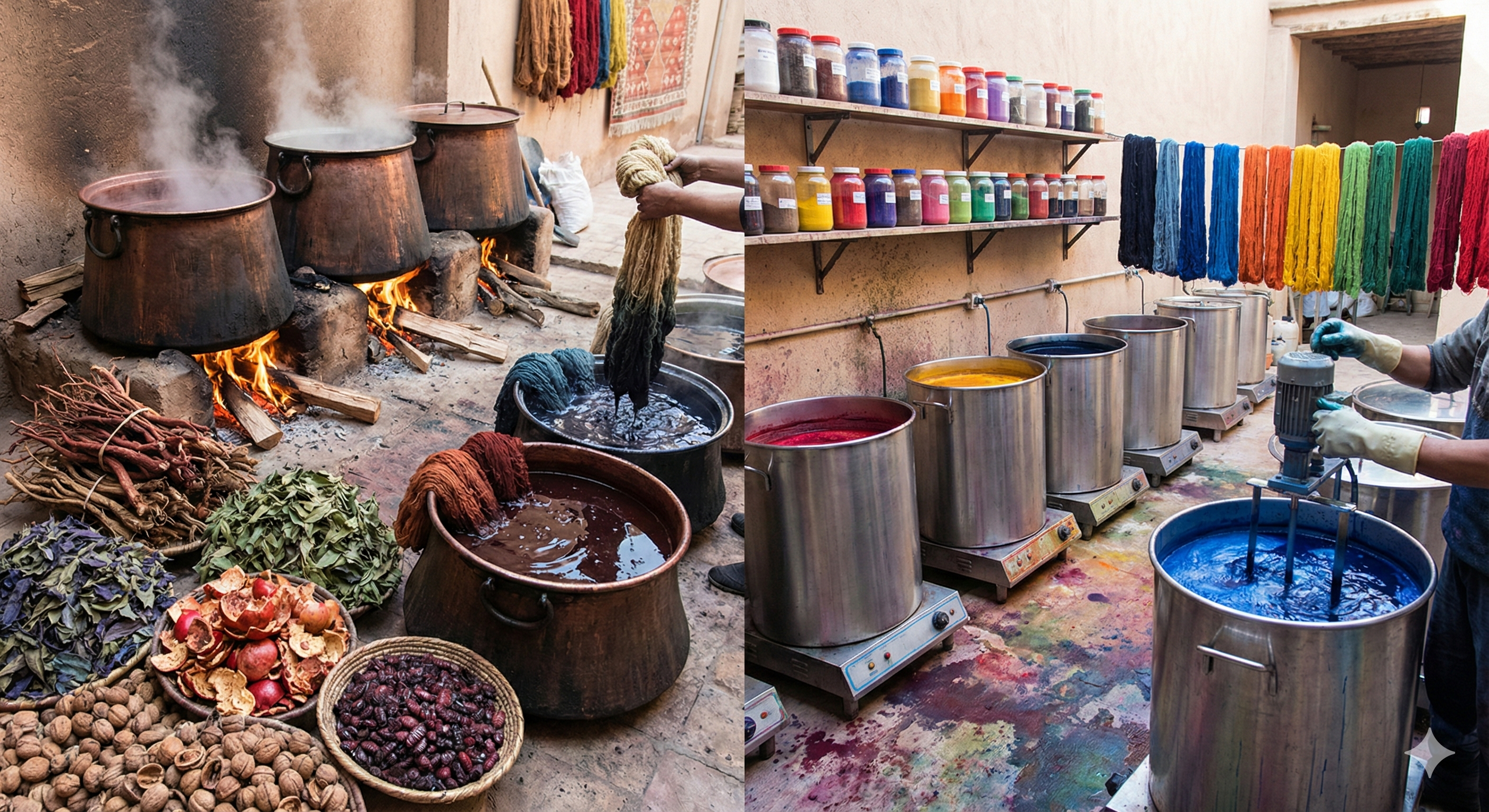
The Design (The Map)
The weaver doesn't just guess the pattern—they follow a detailed guide called a "Cartoon". This is essentially a graph-paper map of the rug where every square represents a single knot of a specific color. This meticulous planning ensures precision in even the most complex designs.
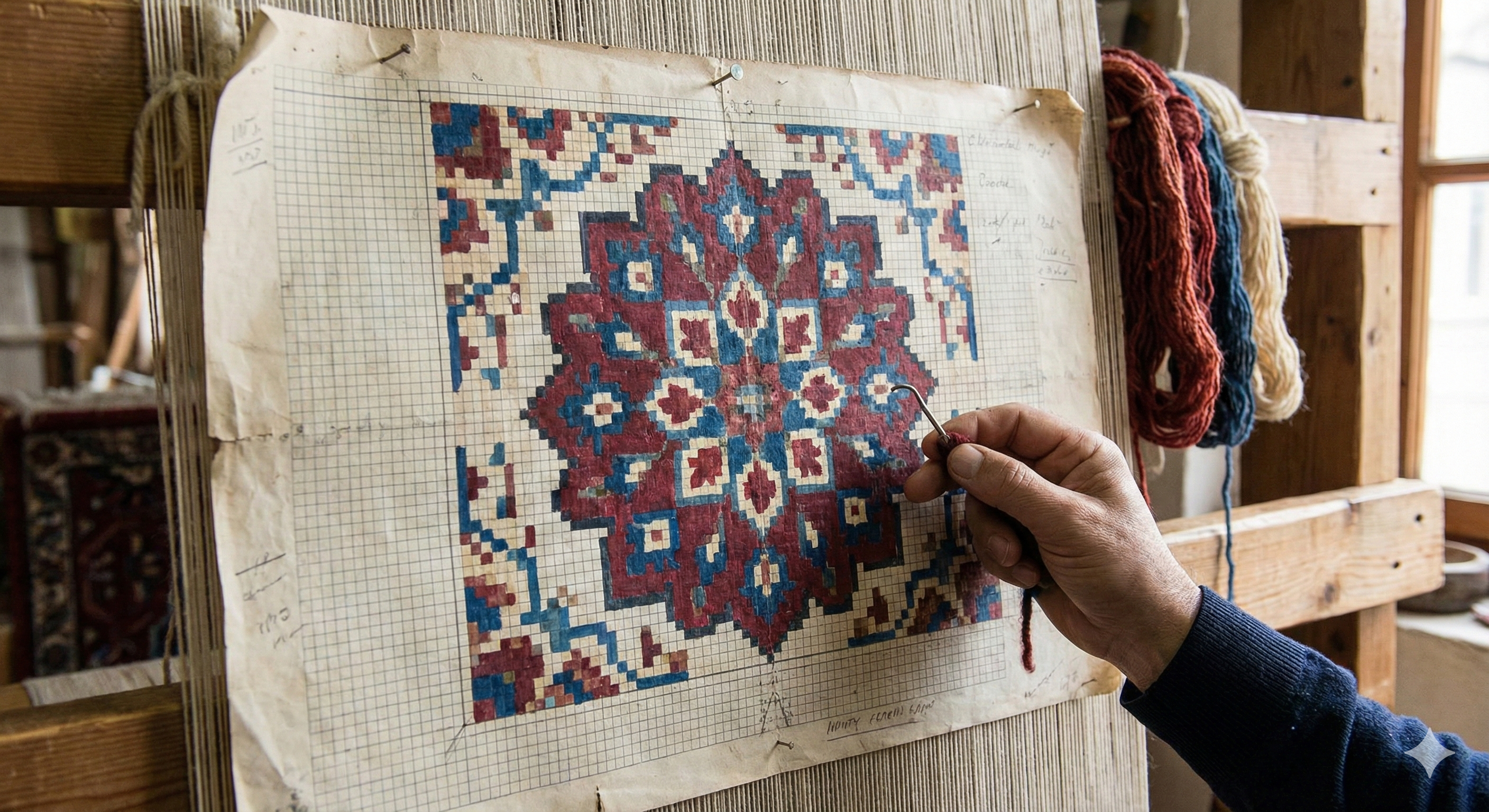
Setting Up the Loom
The loom is the wooden or metal frame that holds the rug together during creation. Vertical strings called the "warp" (usually cotton) are stretched tight from top to bottom. These strings form the hidden skeleton of the rug onto which every knot will be tied.

Weaving (The Knotting)
This is the longest part of the process. Weavers sit before the loom and work row by row—taking colored yarn, wrapping it around two warp strings, tying a knot, and cutting. After each row, a horizontal "weft" string is inserted and beaten down with a heavy comb. Repeat this millions of times.

The Finish (Shearing & Washing)
Once weaving is complete, the rug looks rough and fuzzy. A master craftsman uses large scissors or a machine to shear the pile to a uniform height, making the design sharp and clear. Then the rug is vigorously scrubbed with water and soap, removing excess dye and determining the final luster.

Sun Drying
Finally, the rug is laid flat in the sun to dry. This crucial step helps soften the colors and gives the wool its final character. The result? A one-of-a-kind masterpiece, ready to grace your home for generations to come.
The ARS Color Palette
Every shade tells a story. Our master dyers use time-honored techniques with natural and premium synthetic dyes to create an infinite spectrum of possibilities. Here's a glimpse of our signature color families.
Reds & Crimsons
Derived from Madder Root, Cochineal Insects & Pomegranate
Blues & Indigos
Derived from Indigo Plant, Woad & Lapis Lazuli
Golds & Yellows
Derived from Saffron, Turmeric & Chamomile
Greens & Olives
Derived from Indigo + Weld, Spinach & Persian Berries
Neutrals & Earth Tones
Natural Undyed Wool, Walnut Husks & Iron Mordants
Purples & Plums
Derived from Logwood, Brazilwood & Murex Snails
🎨 Custom Color Matching Available
Don't see your perfect shade? Our dye masters can match virtually any color you provide—from a paint chip to a fabric swatch to a digital Pantone code. We also offer custom blends that create unique, one-of-a-kind colorways exclusive to your rug. Contact us to discuss your vision.
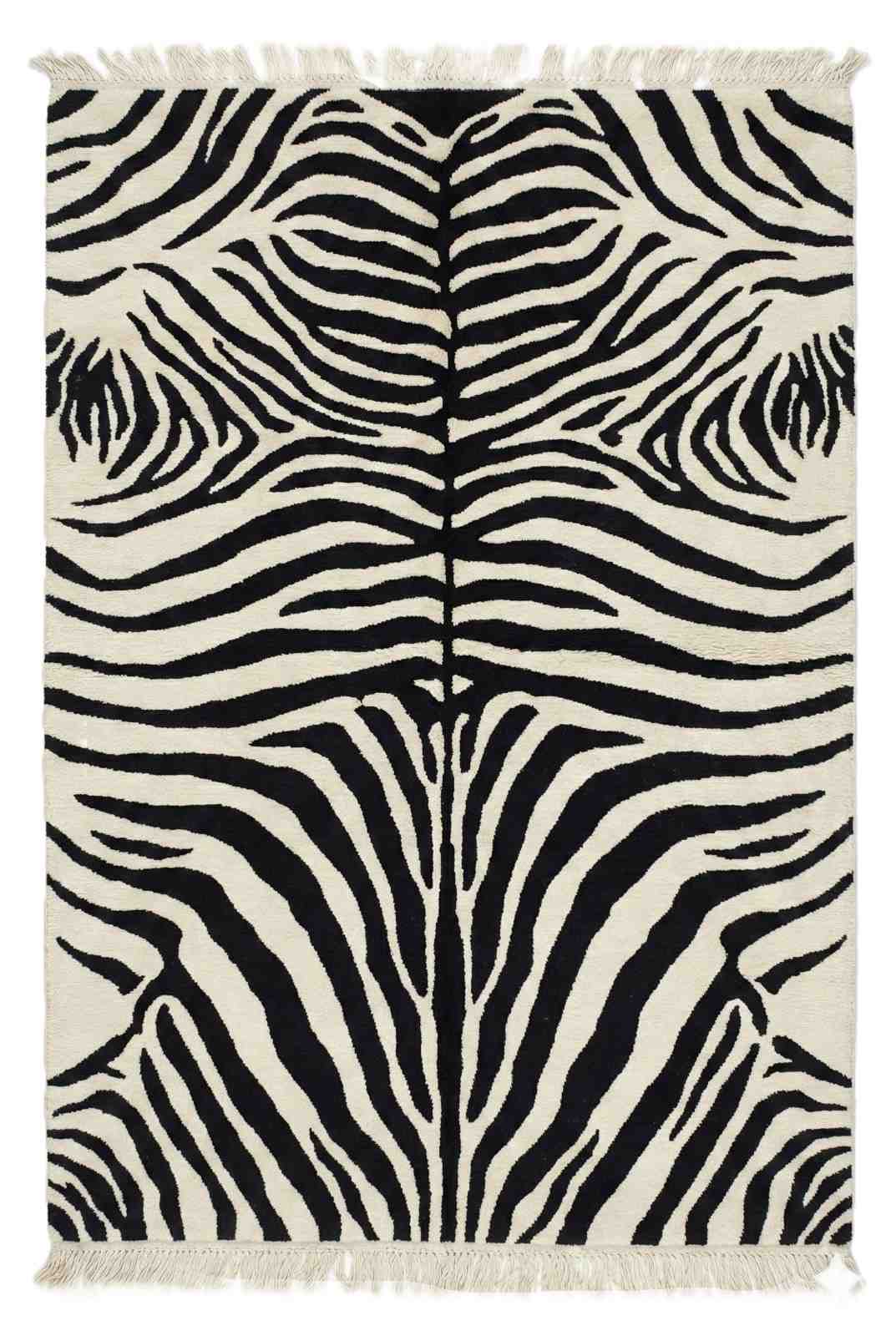
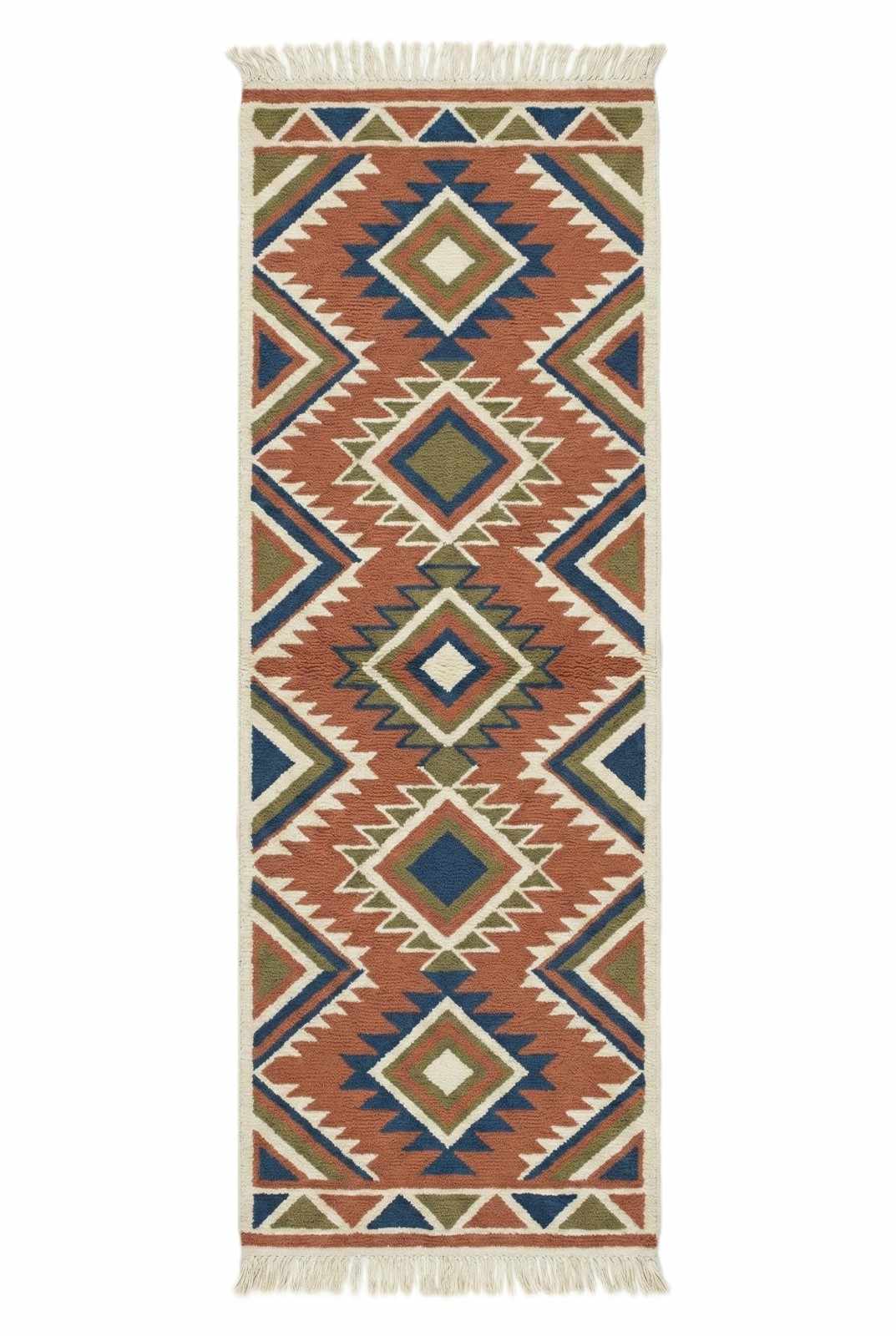
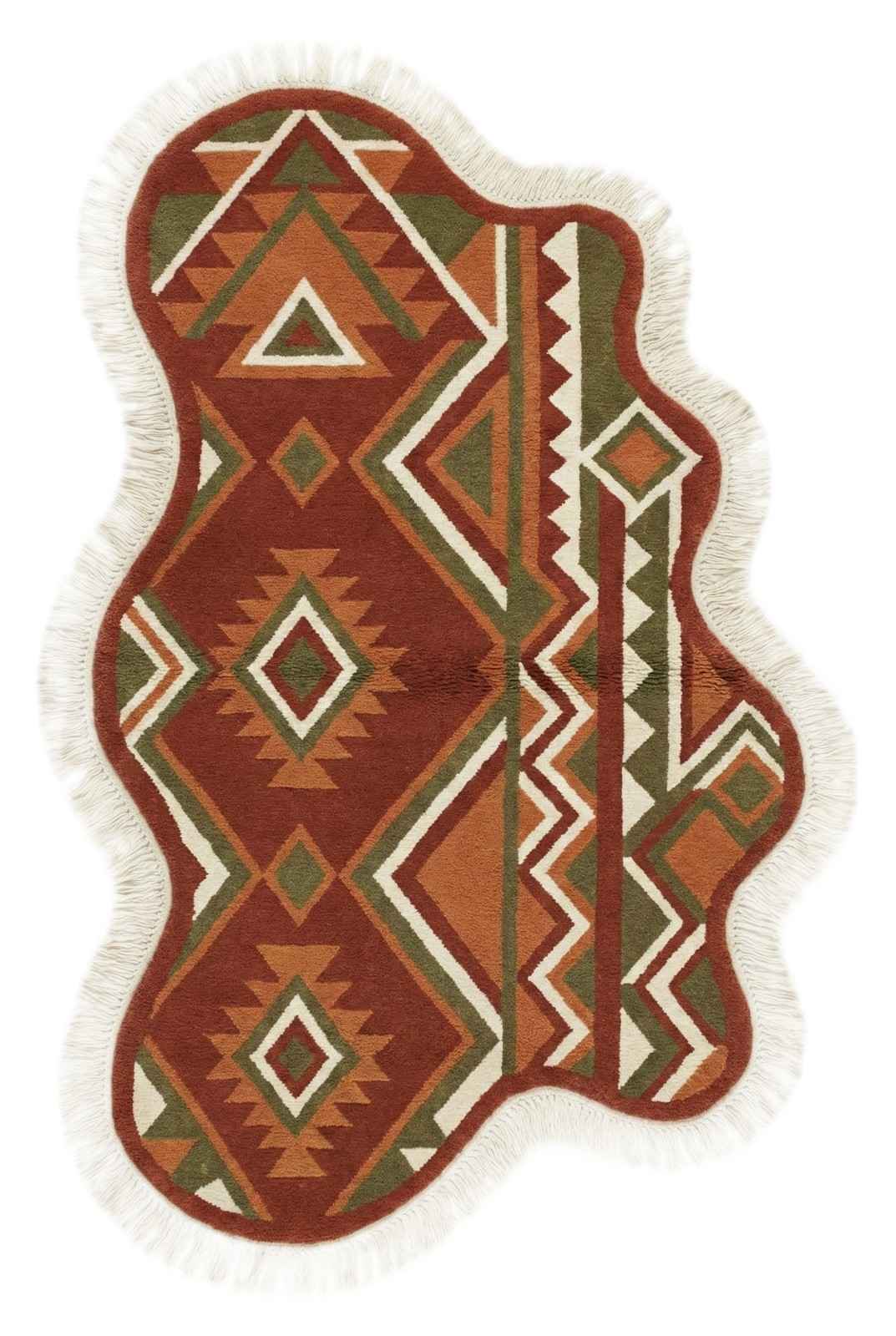
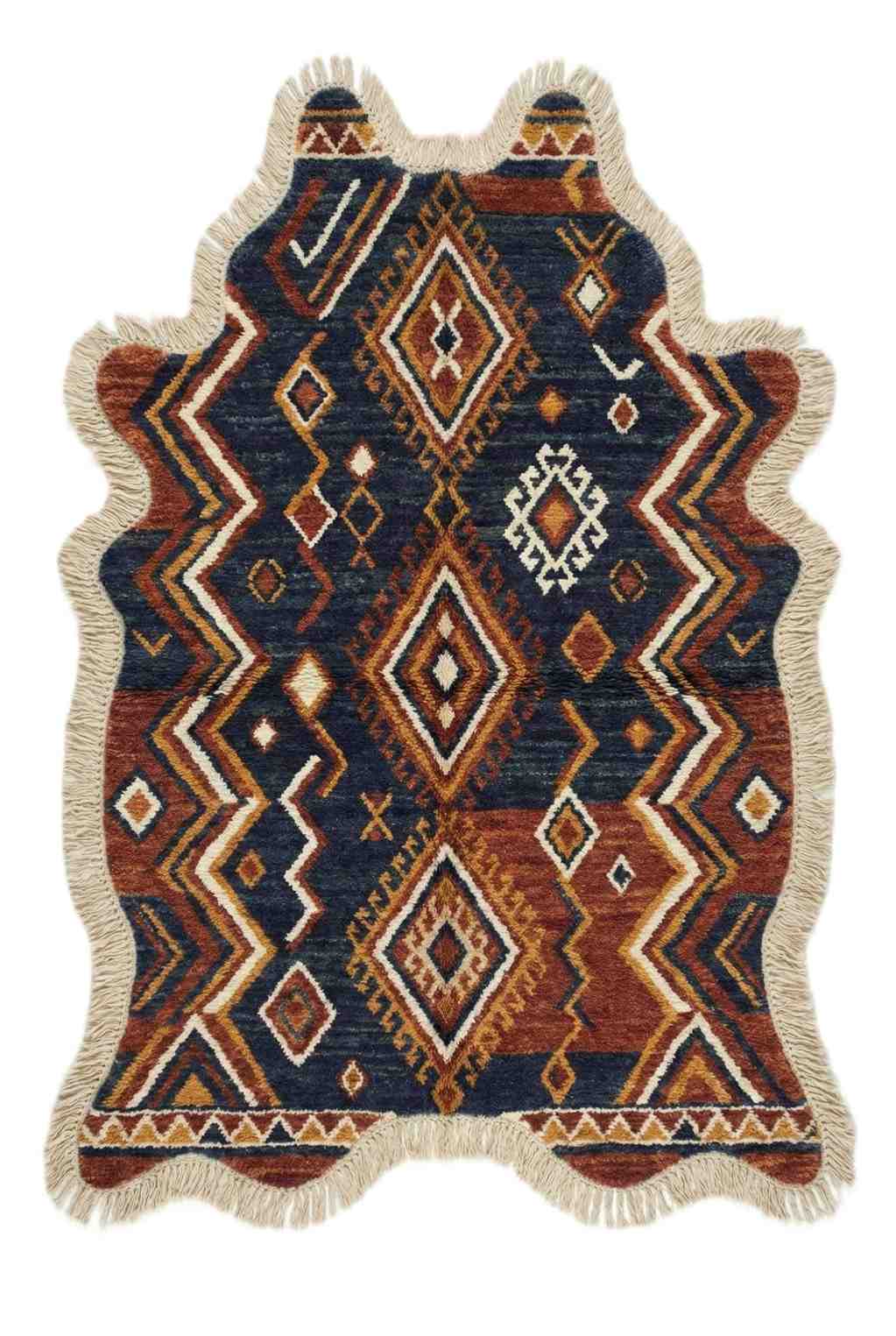
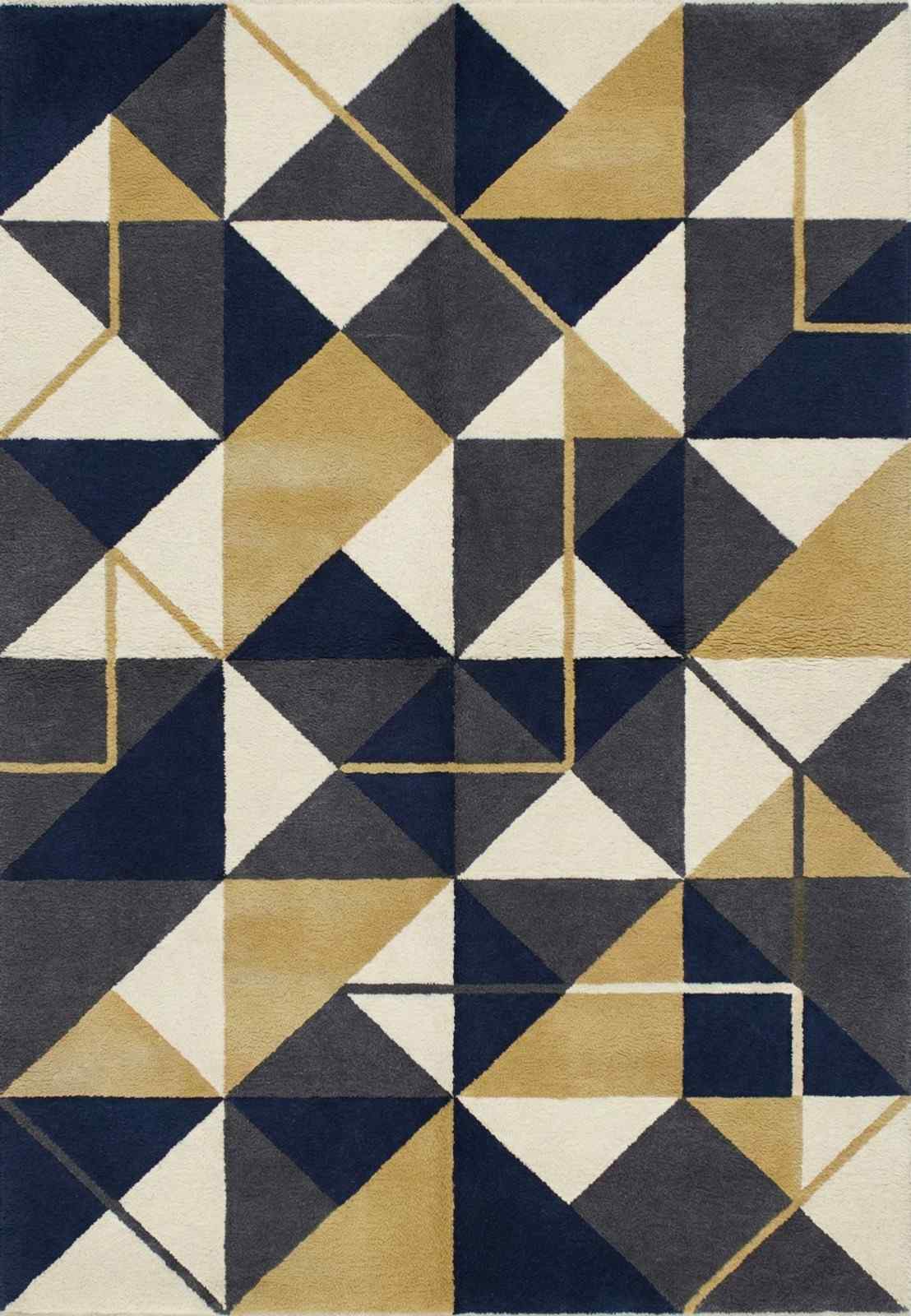
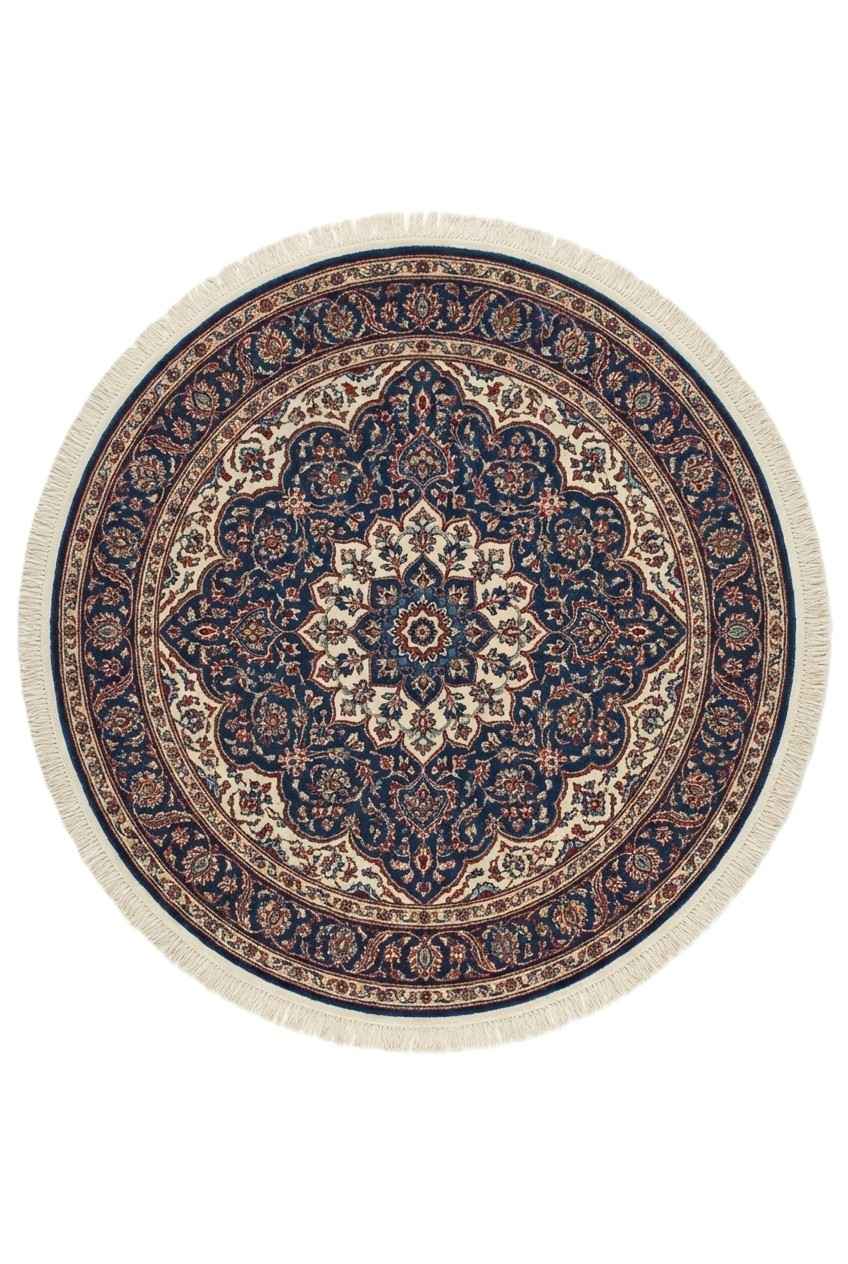
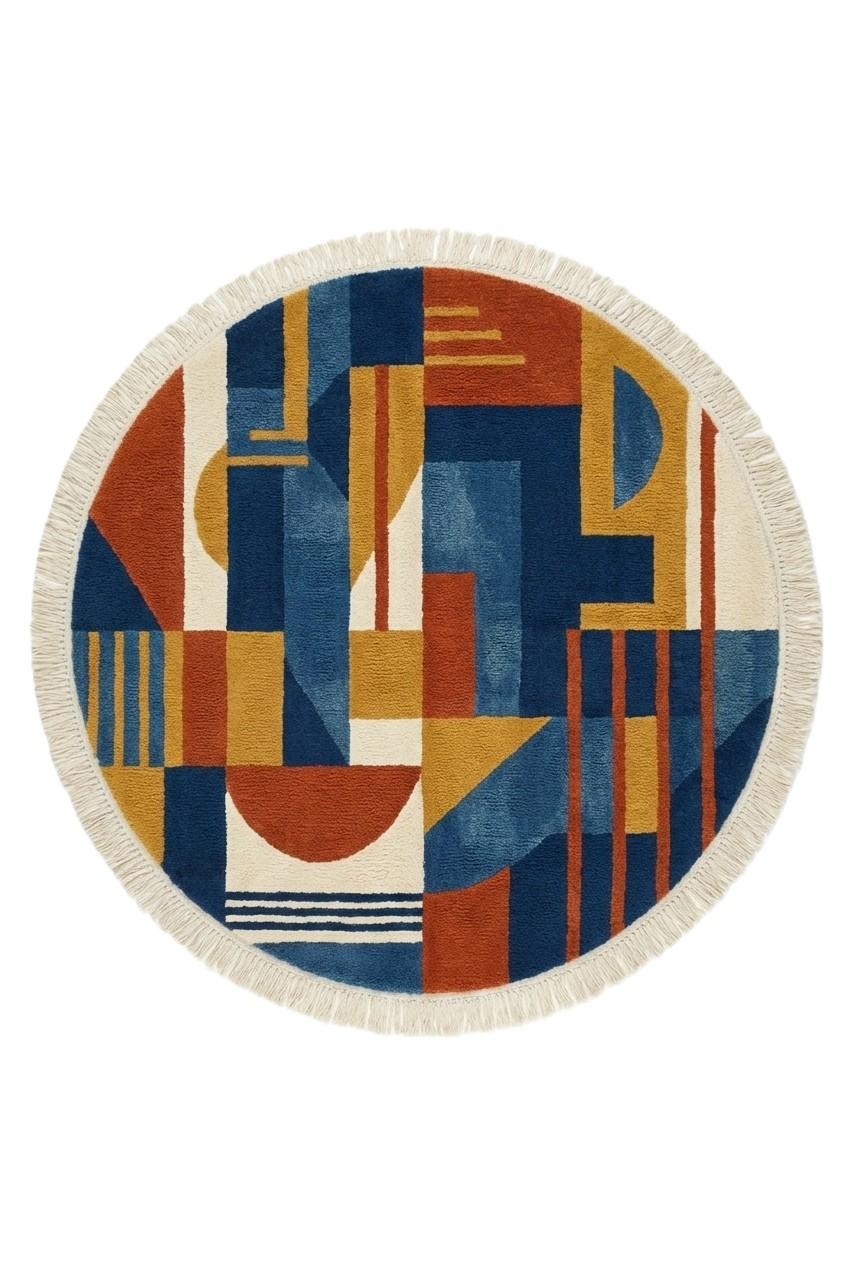
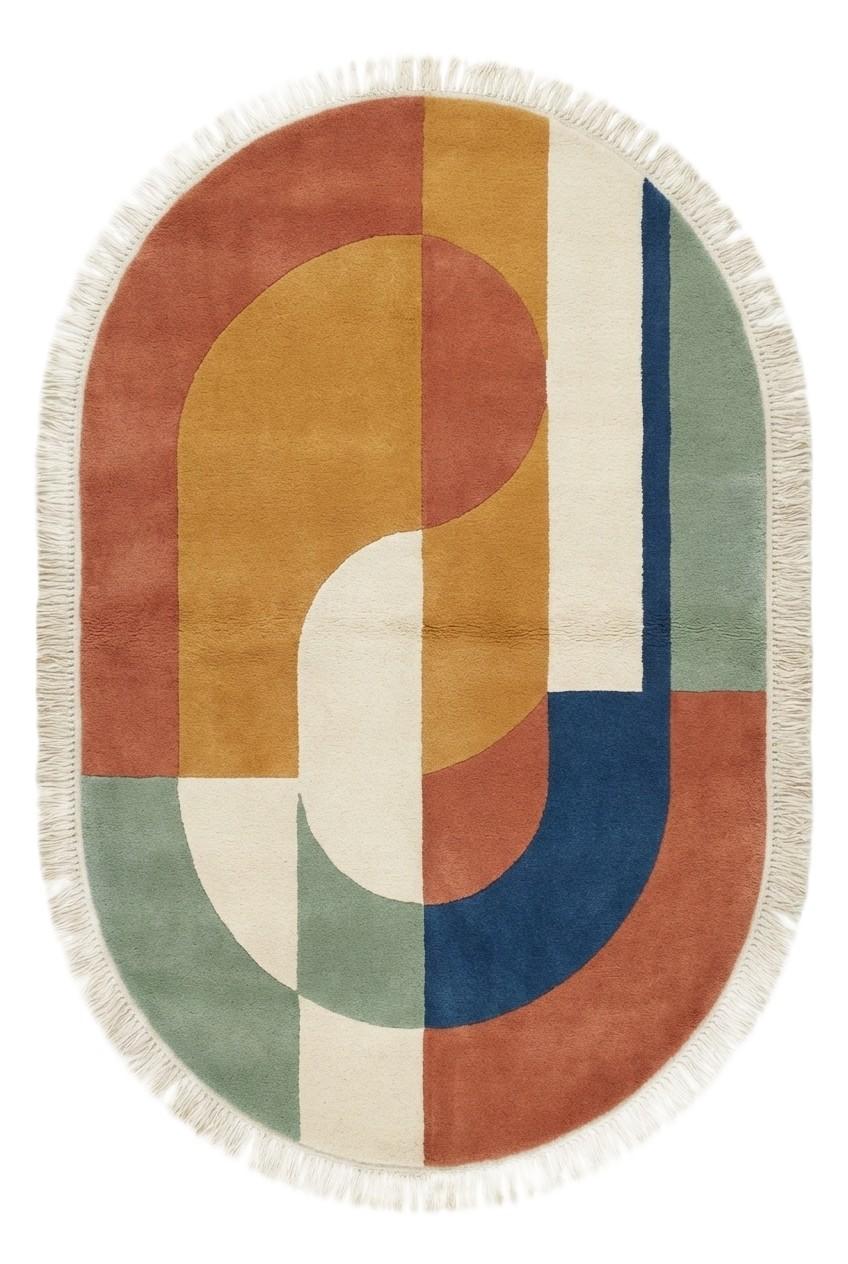
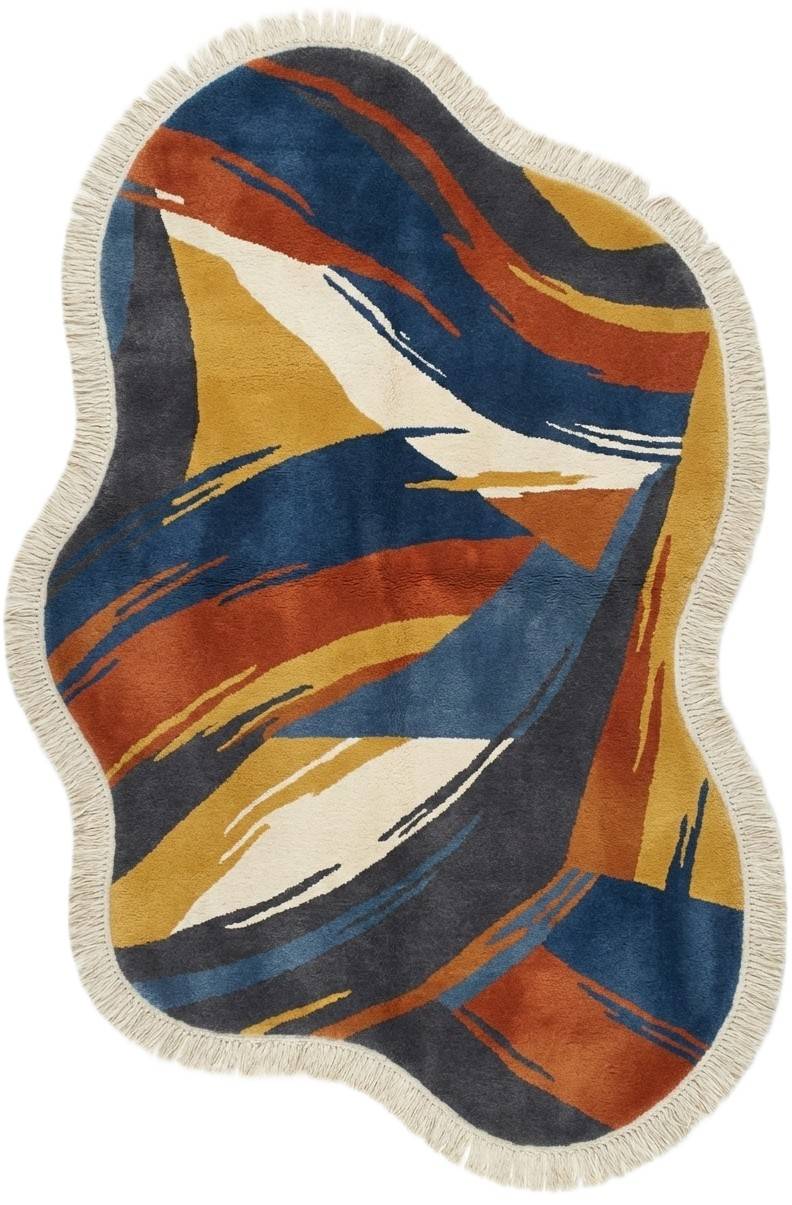
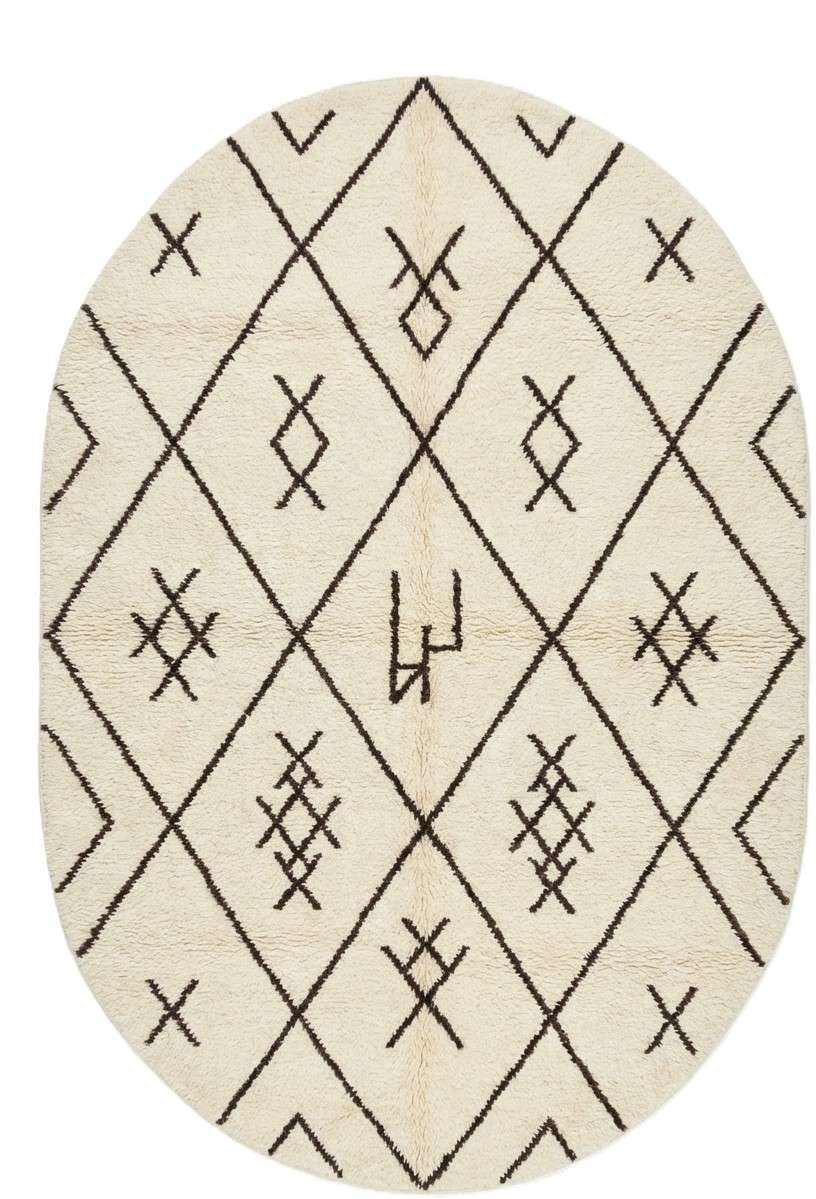
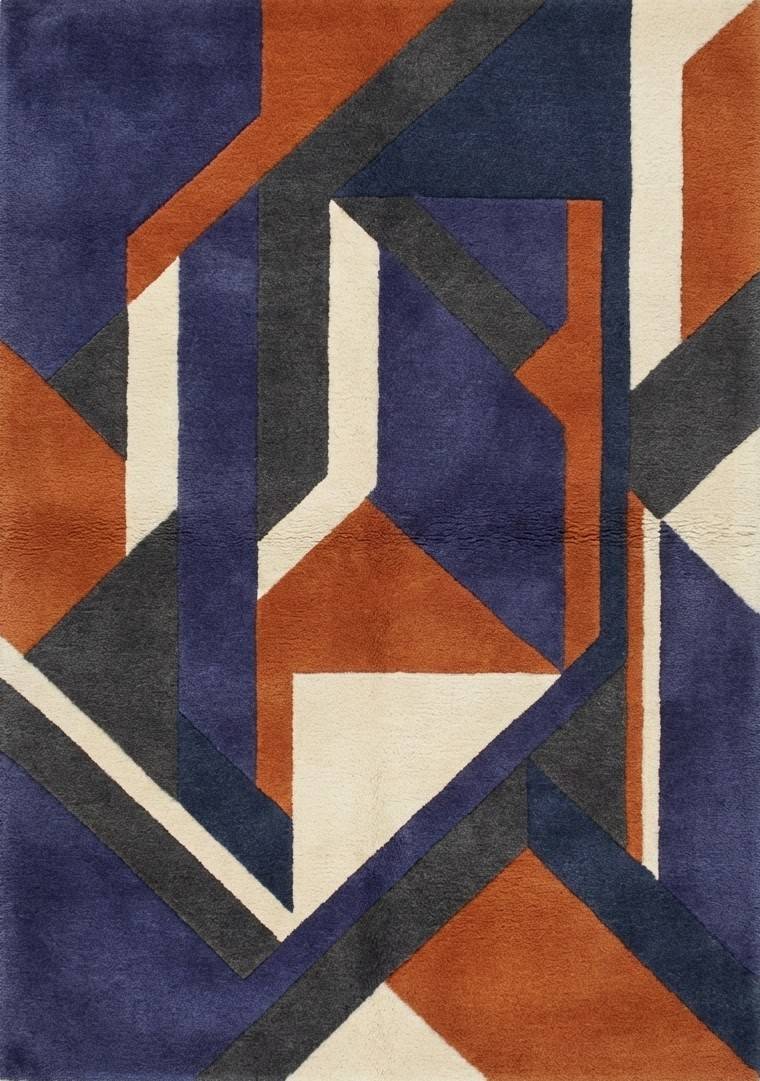
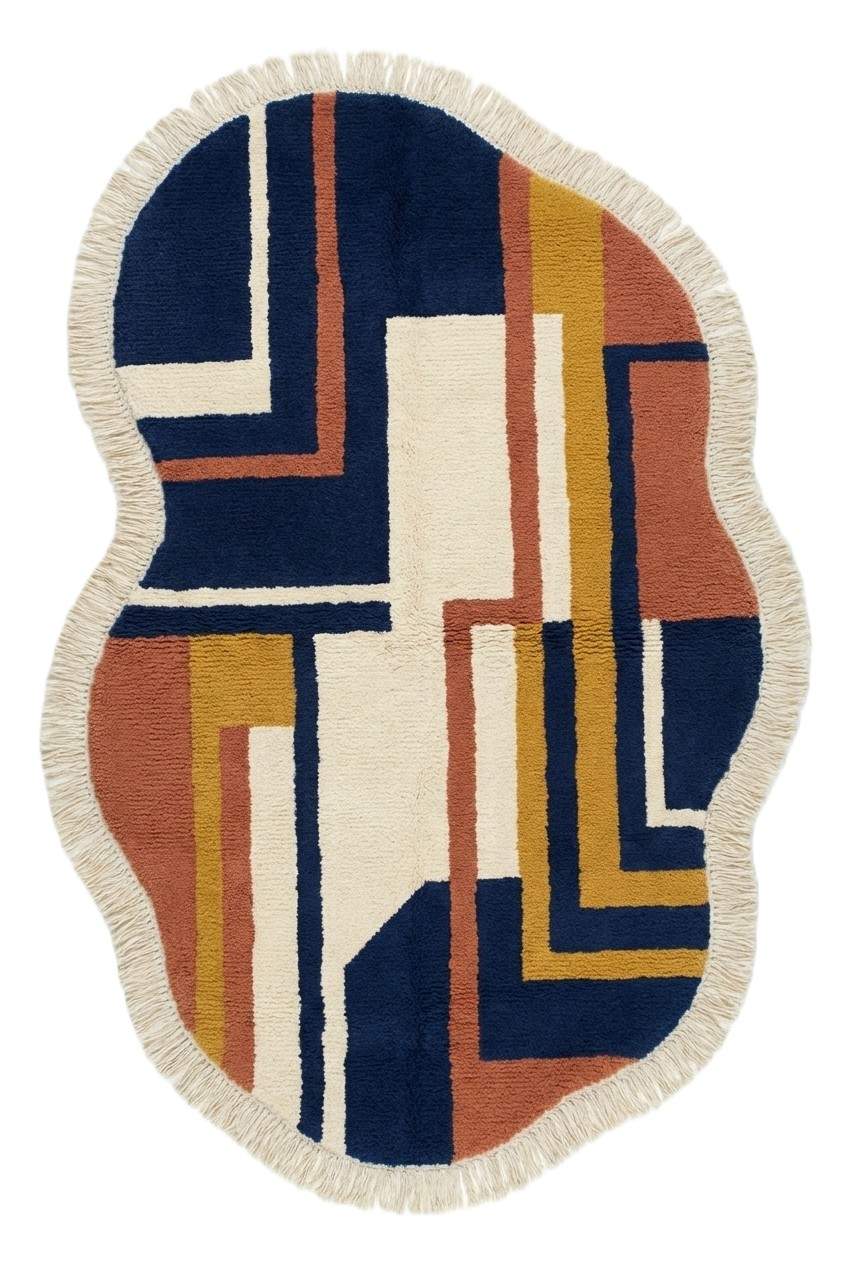
The Custom Portfolio
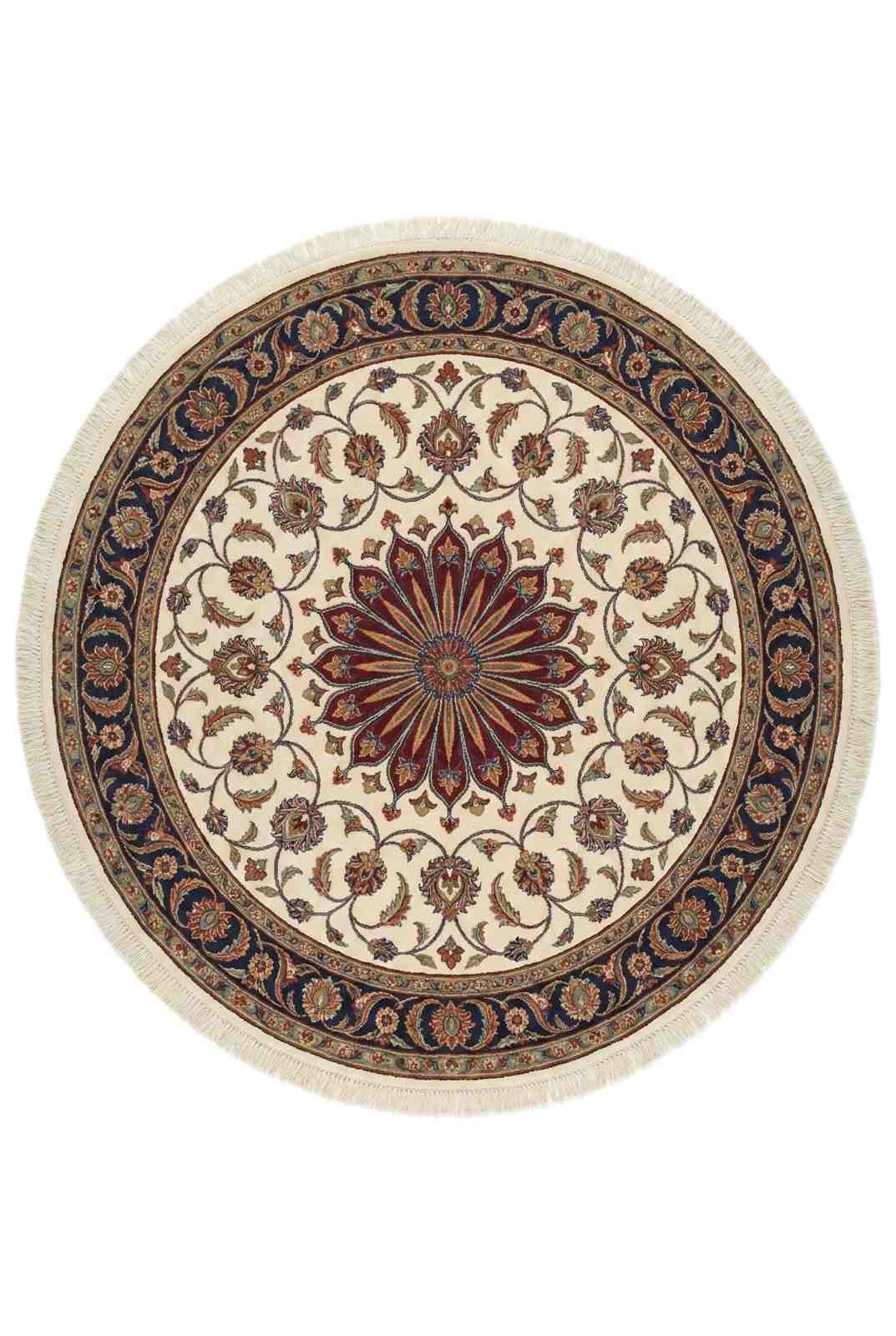
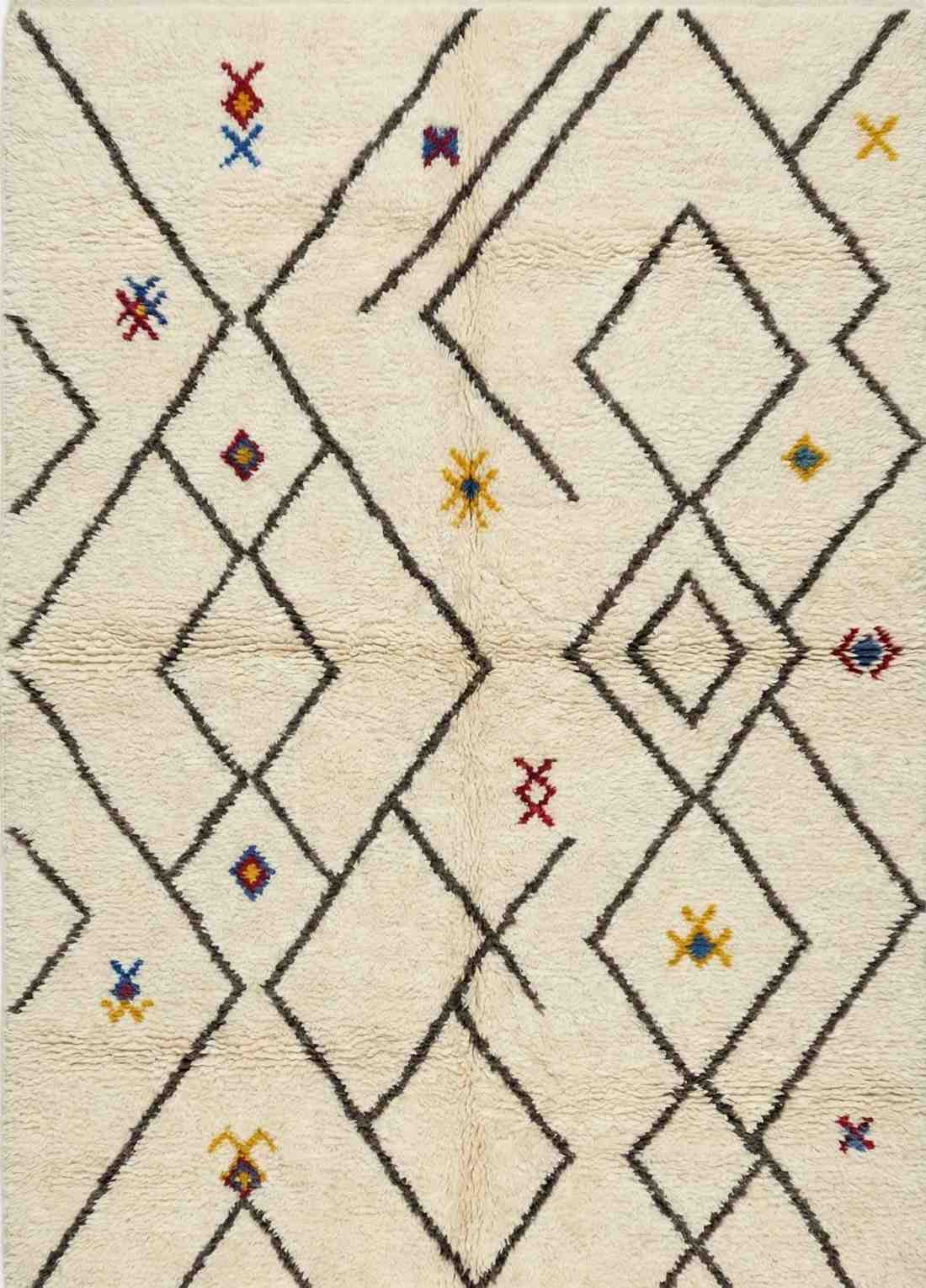
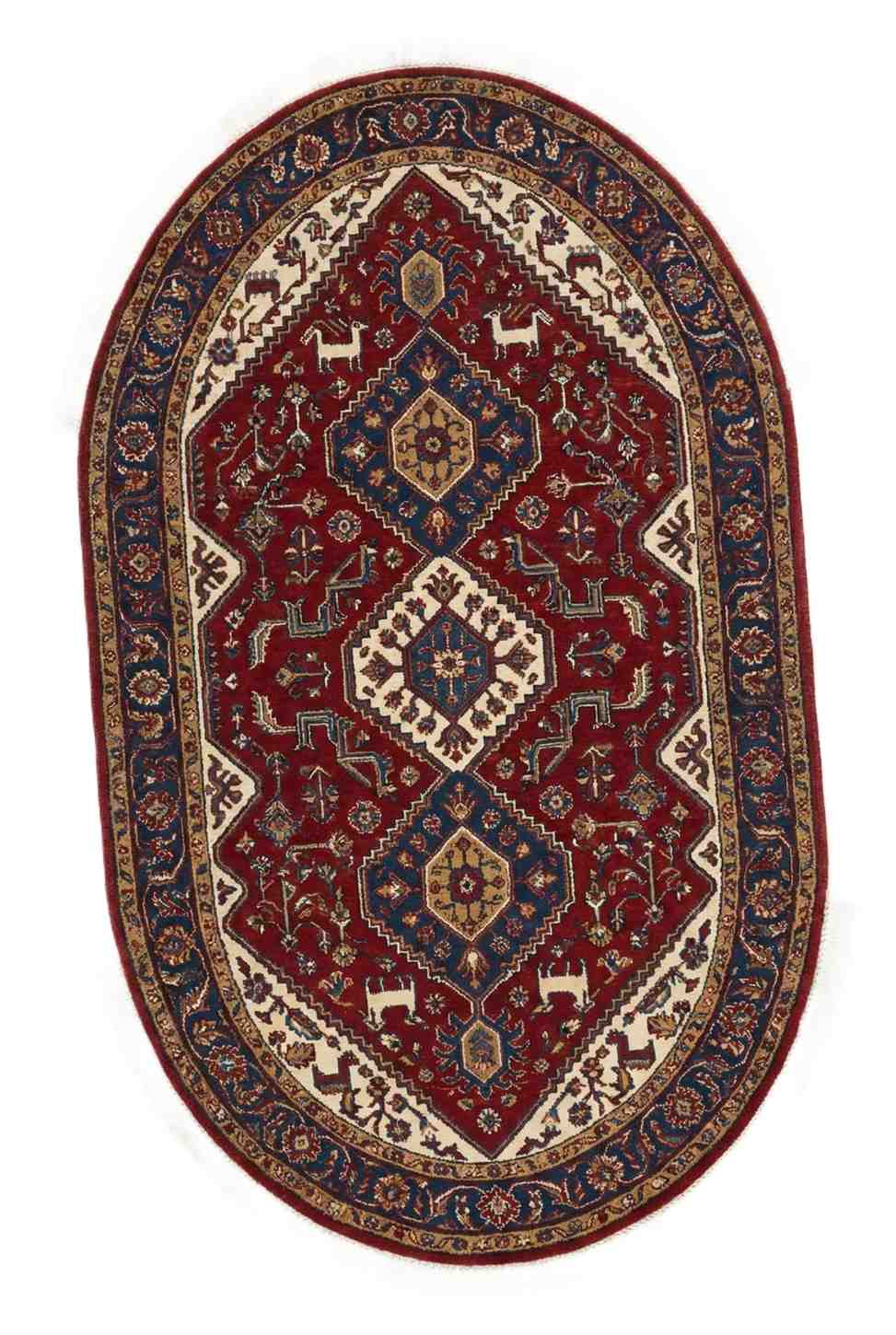
A selection of recent commissions, ranging from contemporary abstracts to traditional re-interpretations.

Limitless Materials
We don't believe in restrictions. If it can be spun into yarn, we can weave it into your masterpiece.
Sourced from New Zealand or the Himalayas. Rich in lanolin, naturally stain-resistant, and incredibly durable for living spaces.
The pinnacle of luxury. Silk allows for incredibly high knot counts and detailed patterns, offering a distinct sheen that changes with the light.
A sustainable alternative to silk with a similar soft hand and luster, perfect for adding highlights to a wool rug.
Hemp, Jute, Linen, and Allo. These materials offer organic textures and varying pile heights for a grounded, earthy aesthetic.
Start Your Commission
Tell us about your project. Our design team will review your requirements and reach out to schedule an initial consultation.